
A Weekend in Stockholm: History, Culture, and Culinary Delights
- Marco

- Feb 16, 2025
- 4 min read
Updated: Mar 9, 2025

Few cities in Europe blend history, nature, and modernity as seamlessly as Stockholm, the elegant Swedish capital spread across fourteen islands where the Baltic Sea meets Lake Mälaren. Often referred to as the “Venice of the North”, Stockholm’s waterways, centuries-old architecture, and vibrant food culture make it the ideal destination for a weekend escape.


A city that moves effortlessly between the past and present, Stockholm’s medieval alleys in Gamla Stan coexist with sleek Scandinavian design, while its traditional meatballs and cinnamon buns are served alongside innovative New Nordic cuisine. Over the course of two days, one can explore royal palaces, sail past historic merchant houses, wander through world-renowned museums, and experience the ritual of fika, the Swedish tradition of slowing down with coffee and a pastry.
For those eager to immerse themselves in Stockholm’s rich cultural landscape, this two-day itinerary offers a well-balanced mix of iconic sights and culinary highlights, capturing the very essence of Sweden’s capital.
Day 1: The Historic Heart of Stockholm
Arriving in the Capital of the North
Stockholm greets its visitors with a crisp Nordic breeze, the scent of sea salt in the air, and a skyline punctuated by spires, bridges, and ferries gliding through the waterways. Arriving at Arlanda Airport, the swift Arlanda Express train whisks travelers into the city in under twenty minutes, offering the first glimpse of Stockholm’s clean, efficient, and effortlessly stylish atmosphere.


For this weekend adventure, the Radisson Blu Waterfront Hotel, located just steps from the central station, provides a convenient base. From here, Stockholm unfolds like a living museum, with centuries of history waiting to be explored.
Gamla Stan: Walking Through Stockholm’s Past
Few places in Europe evoke the past as vividly as Gamla Stan, Stockholm’s medieval heart. With narrow cobblestone streets, ochre-colored facades, and historic merchant houses, it is a place where time seems to have slowed.
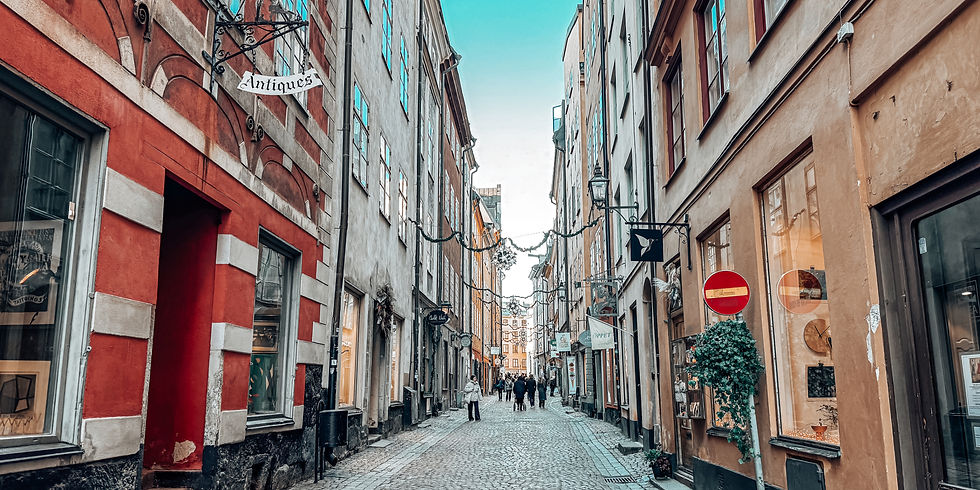
At the center of this old town lies Stortorget, the city’s oldest square, surrounded by iconic, pastel-hued buildings that once housed wealthy traders. Just a short walk away, the Royal Palace (Kungliga Slottet) dominates the waterfront, standing as one of the largest palaces in Europe with over 600 rooms. Even for those who choose not to venture inside, witnessing the Changing of the Guard - a ceremony performed with precision and grandeur - offers a glimpse into Sweden’s regal traditions.

A short detour leads to Stockholm Cathedral (Storkyrkan), an imposing Gothic structure that has borne witness to royal coronations and historic moments for over 700 years. Across the way, hidden among the winding streets, lies Tyska Kyrkan (The German Church) - an overlooked gem in Stockholm’s historical landscape. Built in the 14th century, this church reflects the city’s long-standing ties with the Hanseatic League, a powerful medieval trading alliance. Stepping inside, visitors are greeted by elaborate wooden galleries, grand chandeliers, and intricate stained-glass windows - a stark contrast to the simplicity often associated with Scandinavian design.

Swedish Comfort Food and Waterfront Strolls
As afternoon turns to evening, the promise of hearty Swedish cuisine beckons. Few places capture the soul of traditional Swedish cooking quite like Pelikan, a historic beer hall where wooden tables and vintage chandeliers set the stage for a timeless dining experience. Here, the dish of choice is unmistakable: Swedish meatballs, served with lingonberries, creamy mashed potatoes, and a rich brown sauce. Unlike the mass-produced versions found in furniture stores worldwide, these handcrafted meatballs are a true Swedish delicacy, rooted in generations of home-cooked tradition.

After dinner, an evening stroll along Skeppsbron and Strandvägen offers a chance to absorb Stockholm’s maritime beauty. The waters shimmer under the glow of street lamps, ferry boats depart for the archipelago, and the city’s skyline - punctuated by the spires of Riddarholmen and the domes of Östermalm - creates a picture-perfect ending to the day.


Day 2: Art, Nature, and Contemporary Stockholm
Morning Fika and a Visit to the Vasa Museum
No morning in Stockholm is complete without experiencing fika, the beloved Swedish tradition of slowing down over coffee and a pastry. At Vete-Katten, one of Stockholm’s most historic bakeries, the scent of cardamom and cinnamon fills the air as trays of golden kanelbullar (cinnamon buns) are arranged behind the glass counters.

Caffeinated and refreshed, the day’s journey leads to Djurgården, a green island known for its royal parks and world-famous museums. The highlight here is undoubtedly the Vasa Museum, home to a fully intact 17th-century warship, which sank in Stockholm harbor on its maiden voyage and was resurrected from the depths centuries later. The scale of the ship, its intricate wooden carvings, and the tragic yet fascinating story of its demise make this one of Sweden’s most visited cultural sites.

A short walk away, the gardens of Rosendals Trädgård offer a moment of tranquility. Nestled among apple orchards, this organic farm and café provide a seasonal, farm-to-table experience in a setting that feels far removed from the bustle of city life.


Södermalm and the Best Views during a Weekend in Stockholm
By afternoon, the focus shifts from history to contemporary Stockholm. In Södermalm, the city’s trendiest neighborhood, old industrial buildings have been repurposed into vintage stores, independent boutiques, and art galleries. Strolling through the streets, visitors will notice the distinct shift in Stockholm’s character - this is where creativity and counterculture thrive.
Lunch is best enjoyed at one of Stockholm’s many street food vendors, where warm waffles, fresh pastries, and open-faced sandwiches are served through charming café windows.

For a final panoramic view of the city, a climb to Monteliusvägen is well worth the effort. From this hilltop promenade, the city stretches out like a living postcard - church towers rise above the rooftops, ferries cut across the blue waters, and Stockholm’s timeless beauty is on full display.

Final Thoughts
A weekend in Stockholm is an experience that lingers. From Gamla Stan’s medieval past to Södermalm’s artistic energy, from centuries-old Swedish traditions to modern Nordic cuisine, the city offers a perfect balance of history, culture, and culinary excellence.


Stockholm is not merely a place to visit - it is a city to be experienced, savored, and remembered. Whether you come for the history, the food, or simply the allure of discovering Scandinavia’s most elegant capital, Stockholm will leave you wanting more.


Comments